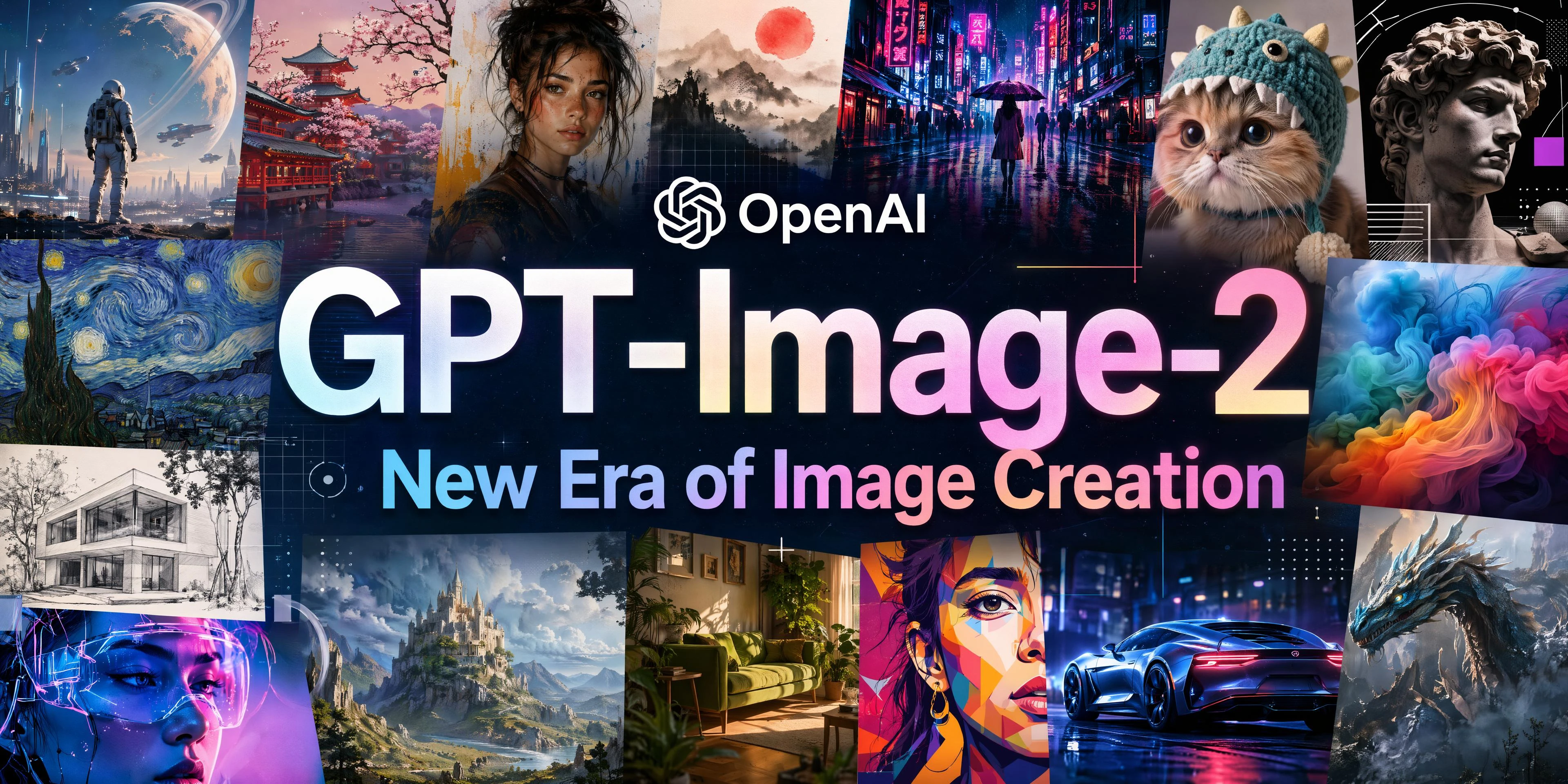
🌌 GPT-Image-2: The New Standard for AI Visual Creation
📖 Introduction
GPT-Image-2 has arrived, and it already feels like one of the most important image-generation launches of the year. The new model enters the market with a clear promise: create images that are more usable, more controllable, more readable, and more production-ready than what creators have come to expect from earlier AI image tools.
💡 "What makes GPT-Image-2 especially exciting is that it is not only about making pretty pictures. It is about making useful pictures. A beautiful image that also follows instructions, renders text cleanly, supports edits, and fits real workflows is much more valuable."
For the SeaArt.ai audience, this launch is particularly relevant. SeaArt.ai is a natural home for experimentation, style exploration, content production, and visual storytelling. A model like GPT-Image-2 can fit beautifully into that environment because it rewards clear direction, creative intent, and repeatable workflows.
Whether you are producing concept art, product visuals, branding assets, social posts, educational graphics, or story-driven illustrations, this model looks built for creators who want both speed and quality.
🎯 What Is GPT-Image-2?
GPT-Image-2 is a next-generation image model built for high-quality generation and editing. The biggest headline is not just visual fidelity. It is control.
The model appears designed to:
- ✅ Follow instructions more reliably
- ✅ Render text more cleanly inside images
- ✅ Preserve style more consistently
- ✅ Handle professional-looking layouts better than older generations
🚀 "You can think of GPT-Image-2 as a model for image creation, image refinement, brand content, multi-step edits, and structured visual communication."
For SeaArt.ai creators, that means the model can be interesting in two directions at once:
- Imaginative Creation: Cinematic scenes, character sheets, comics, fantasy artwork, fashion editorials.
- Practical Production: Posters, social graphics, ad concepts, mockups, educational images, product presentations.
⚡ Why GPT-Image-2 Matters Right Now
GPT-Image-2 feels important because it targets exactly the pain points that creators actually care about. It aims to be stronger where people lose time: instruction adherence, editing quality, layout reliability, text handling, and fewer retries.
⏳ "That means less fighting with the model and more time directing it."
A better image model does not replace creativity; it amplifies it. It lets users spend more energy on concept, direction, mood, composition, and storytelling instead of repeatedly correcting preventable mistakes.
🛠️ Core Use Cases
1️⃣ Marketing and ad creatives
GPT-Image-2 is well suited for campaign visuals, posters, launch graphics, product hero images, and text-led promotional concepts. If you need a stylish Instagram ad, a product announcement banner, or a polished hero visual, this model has the structure and text awareness to save serious time.
2️⃣ Concept art and worldbuilding
Writers, game designers, and visual storytellers can use it for environments, props, creatures, costumes, mood frames, and key scenes.
3️⃣ Character design and consistency
One of the hardest things in image generation is keeping a character recognizable. GPT-Image-2 looks promising for identity-sensitive edits and continuity.
4️⃣ Editorial and publishing visuals
A strong fit for magazine-style images, illustrated essays, article headers, educational posters, and visual explainers.
5️⃣ E-commerce and product storytelling
Use it for lookbooks, product staging, packaging concepts, virtual try-on style ideas, promotional backgrounds, and high-end lifestyle imagery.
6️⃣ Infographics and text-heavy images
One of the standout categories! GPT-Image-2 appears much more suitable for diagrams, infographic layouts, posters with headings, and educational compositions.
7️⃣ Image editing and creative transformation
It can edit, transfer style, preserve identity, change clothing, alter lighting, insert objects, and combine elements from multiple visual references.
🌊 Real Applicability for SeaArt.ai Creators
🔑 "The best way to understand applicability is to think in workflows rather than isolated prompts."
A SeaArt.ai creator can use GPT-Image-2 to generate the first moodboard frame for a project. Then turn that frame into a cleaner concept piece, expand it into a poster, adapt it into a social ad, and later request a variant. That is not just image generation. That is pipeline thinking.
✍️ How to Write a Good Prompt for GPT-Image-2
📌 "The best prompts are not the longest prompts. They are the clearest prompts."
When writing for GPT-Image-2, think in layers:
- 🎯 Start with the objective: Say what the image is for (e.g., poster, product ad, comic page).
- 👤 Define the subject: Be specific. "A young desert warrior in indigo robes carrying a bronze spear" is better than "A warrior".
- 🎨 Set the style: Name the visual direction (e.g., photorealistic editorial, retro comic page).
- 📐 Control the composition: Describe framing, angle, layout, distance from subject.
- 💡 Add lighting and mood: Light changes everything. (e.g., golden hour, candlelit interior, dreamy diffused glow).
- State constraints: Tell the model what must not happen. (e.g., no extra fingers, no text except the title).
- 🔄 Iterate in small steps: Start with a strong base image, then refine one change at a time.
📐 A Simple Prompt Formula
Use this formula when you want reliable results:
[Asset type] + [main subject] + [style] + [composition] + [lighting/mood] + [important details] + [constraints]
Example:
Luxury skincare ad featuring a frosted glass serum bottle on a wet black stone surface, premium editorial photography, centered composition with negative space above, soft cinematic rim lighting, water droplets and subtle reflections, elegant and minimal, no extra products, no text, no watermark.
🎨 10 Creative Prompts to Try
1. Cinematic fantasy poster
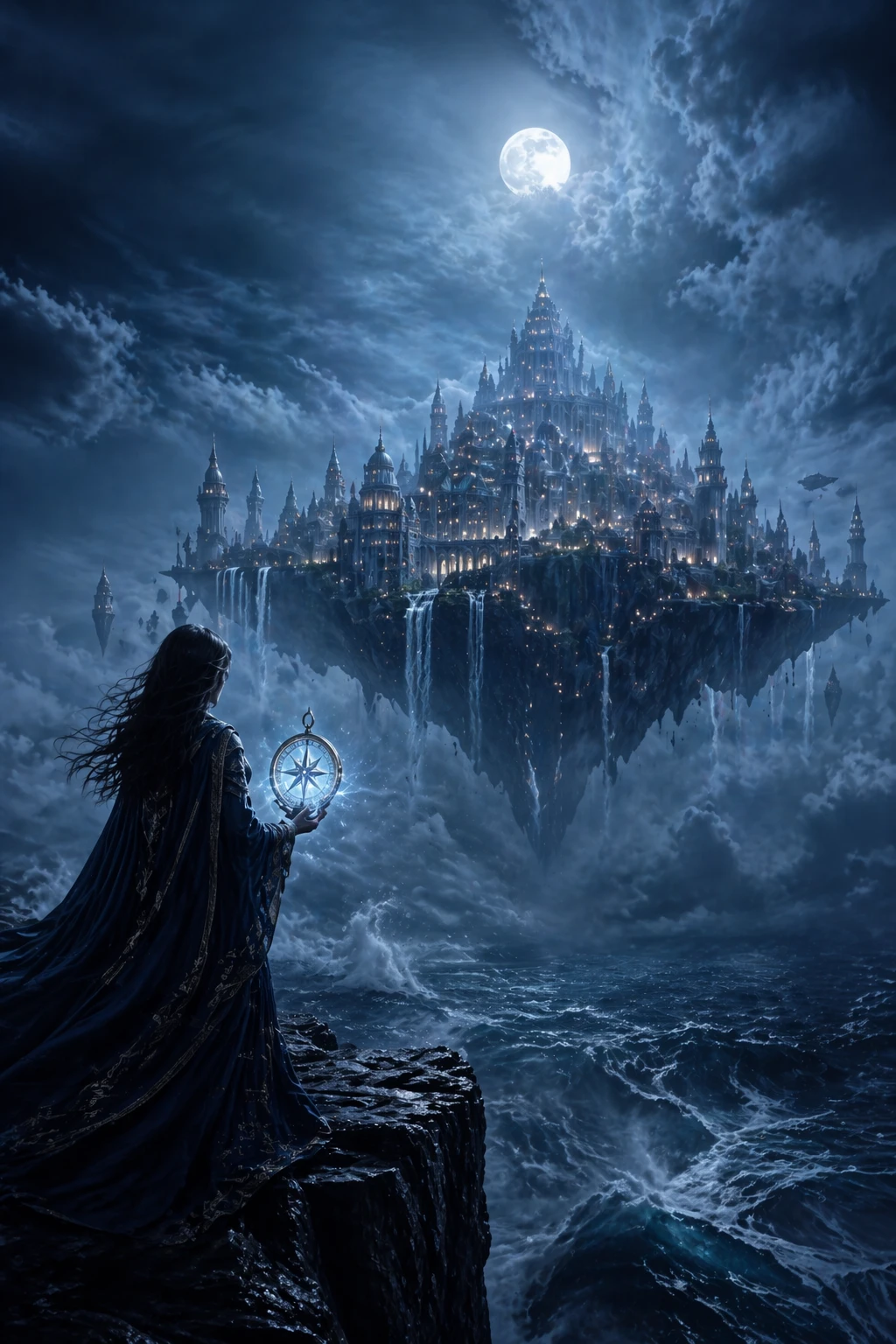
Create a cinematic fantasy movie poster of a moonlit city floating above a stormy ocean, with a lone female mage on a cliff holding a glowing compass, epic scale, dramatic clouds, blue and silver palette, premium theatrical lighting, highly detailed, leave space for a title at the top, no watermark.
2. SeaArt.ai homepage hero concept
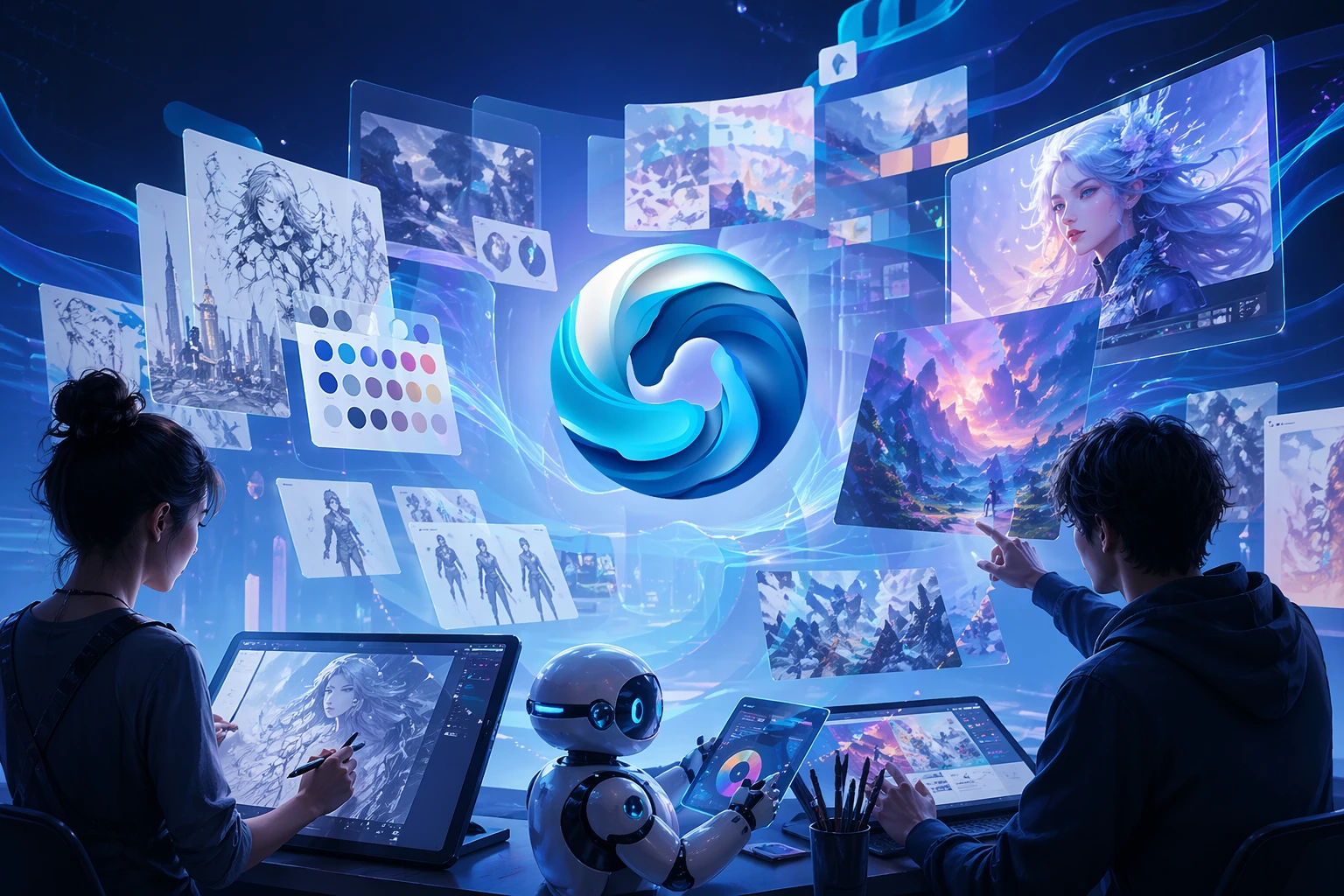
Design a futuristic homepage hero image for SeaArt.ai, showing creators collaborating with AI through floating sketches, color palettes, layered moodboards, and finished artworks, sleek product-marketing style, modern UI energy, vibrant but elegant, clear focal point, premium tech branding feel, no text.
3. Fashion editorial portrait
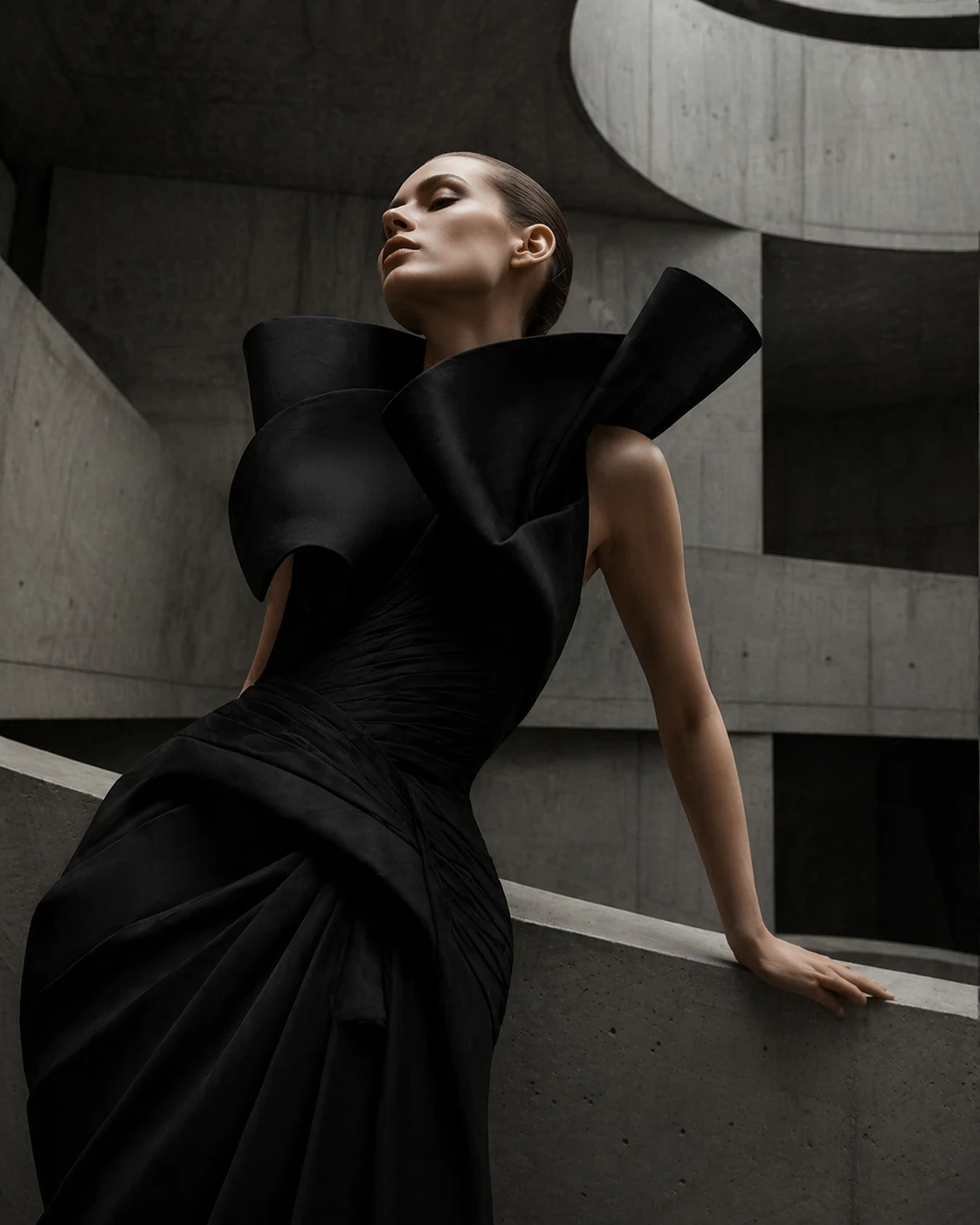
Create a fashion editorial portrait of a model wearing sculptural black couture in a brutalist concrete interior, magazine photography style, soft directional studio light, dramatic pose, high contrast, refined skin texture, luxury composition, no extra accessories.
4. Children’s book illustration
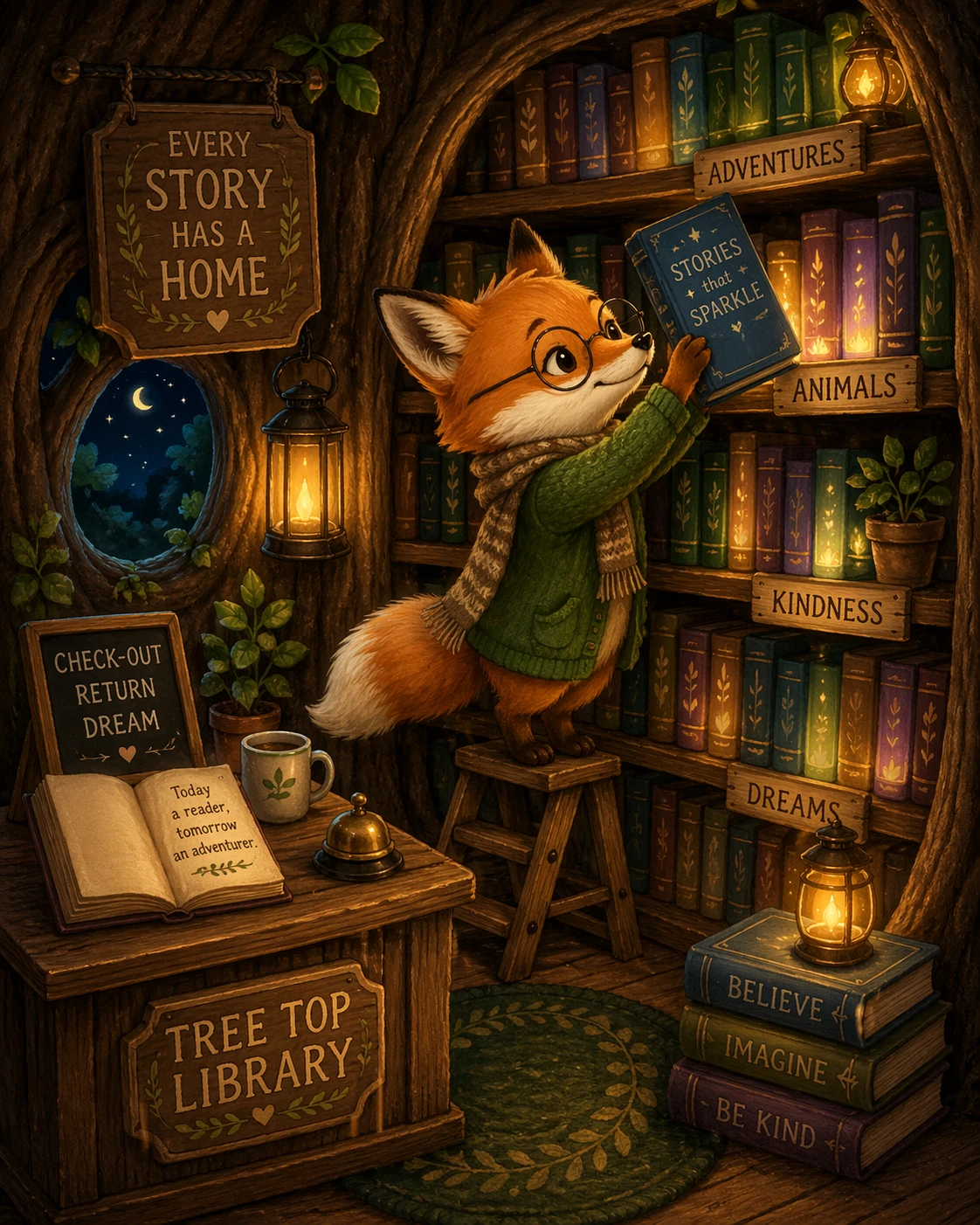
Illustrate a tiny fox librarian organizing glowing books inside a tree at night, whimsical children’s book style, warm lantern light, cozy magical atmosphere, rich textures, expressive details, highly readable scene, no scary elements.
5. Retro manga comic page
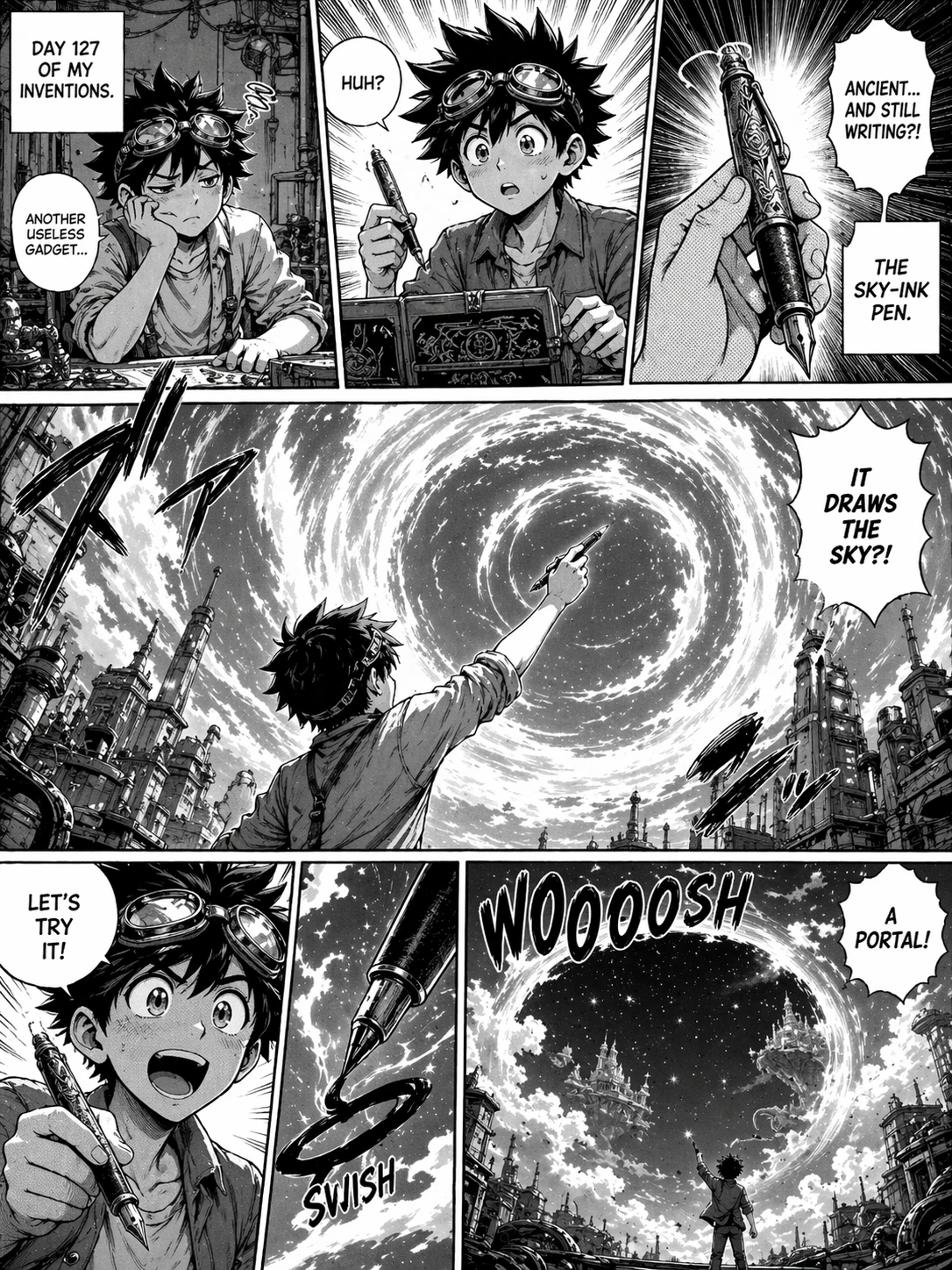
Generate a retro manga page showing a teenage inventor discovering an ancient pen that can draw portals into the sky, dynamic panel layout, expressive faces, speed lines, dramatic perspective, strong black-and-white contrast, readable speech bubbles with minimal clean text.
6. Product ad with strong typography space
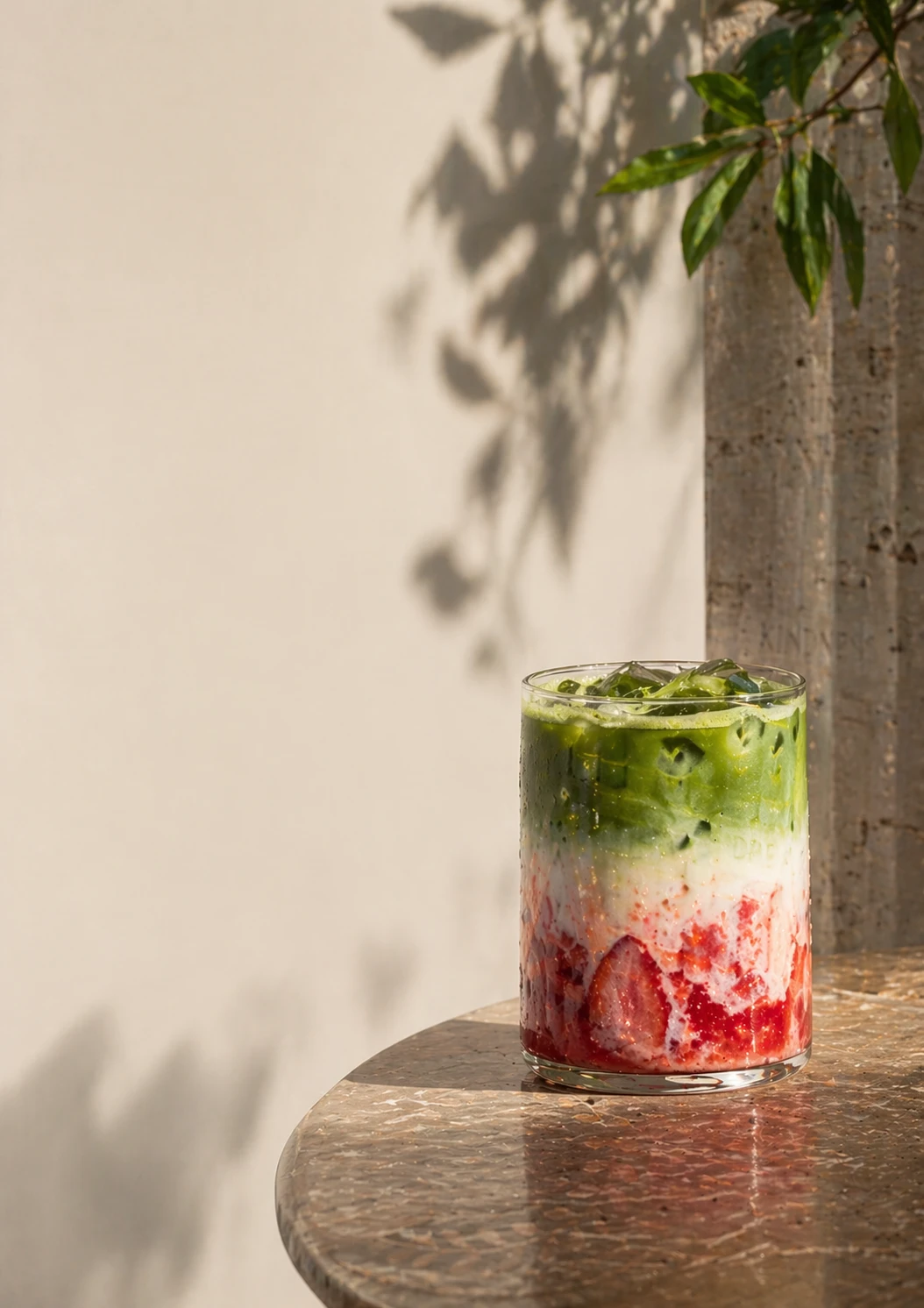
Create a premium beverage campaign image featuring an iced strawberry matcha in a clear glass on a polished stone table, modern lifestyle advertising style, soft morning sunlight, fresh minimal composition, luxury cafe branding mood, leave clean negative space for headline and logo on the left, no extra drinks.
7. Surreal art concept
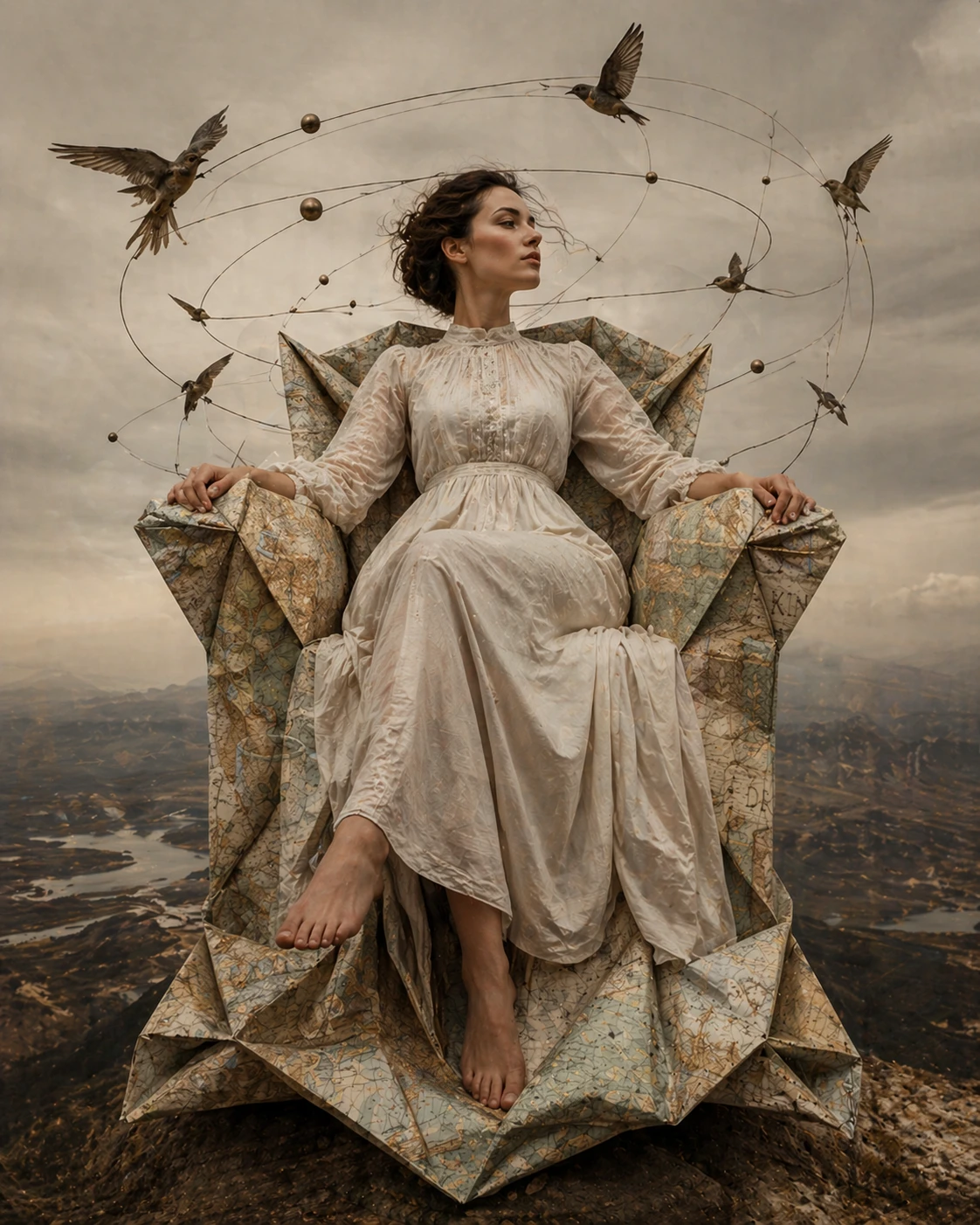
A surreal fine-art image of a woman sitting in a chair made of folded maps while birds orbit around her like planets, dreamlike realism, muted earth tones, museum-quality photography, poetic mood, sharp focus on subject, no text.
8. Educational infographic
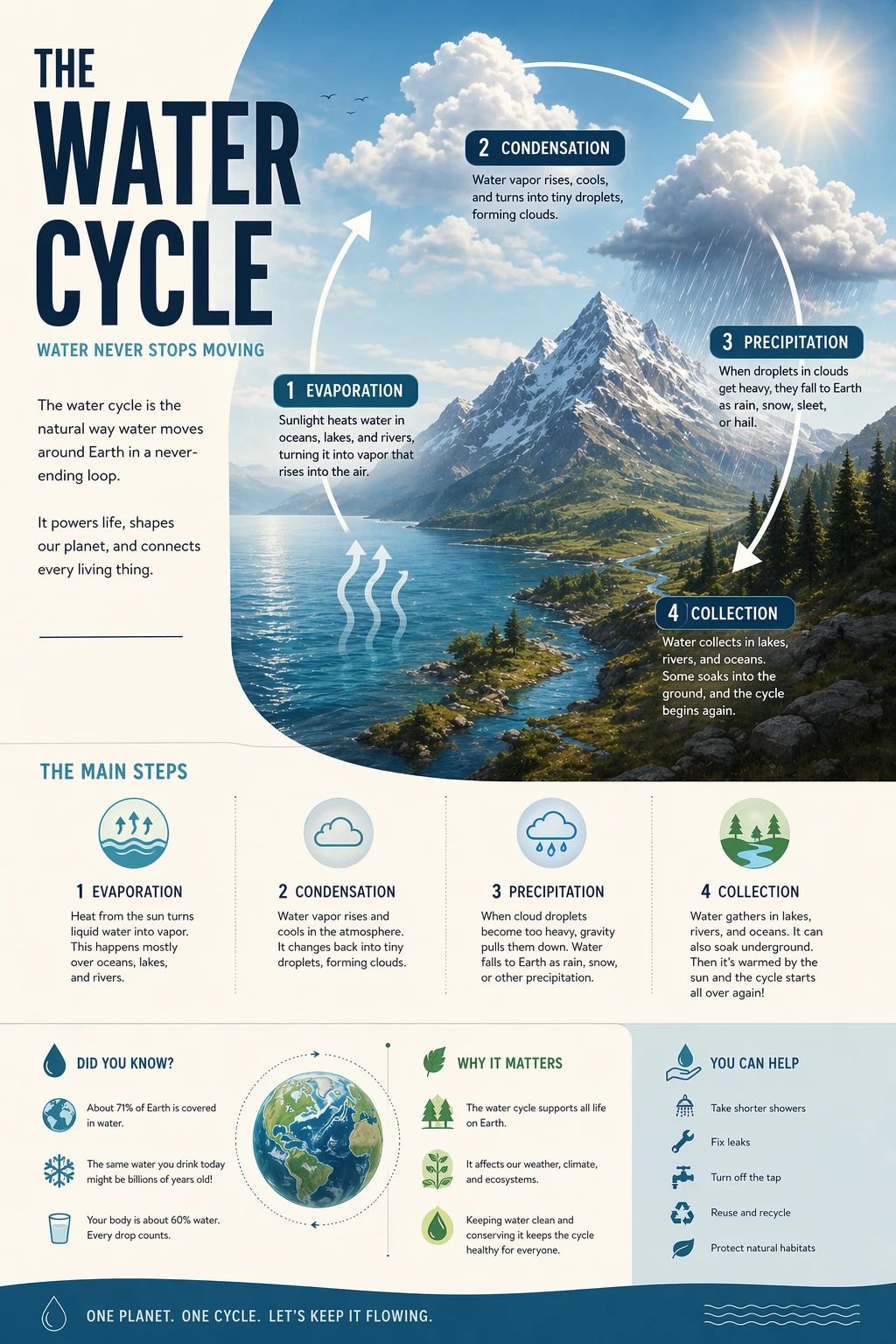
Design an educational infographic about the water cycle for teenagers, modern editorial layout, clean icons, readable section hierarchy, balanced color palette, friendly but sophisticated, highly legible labels, visually polished, no clutter.
9. Character turnaround sheet
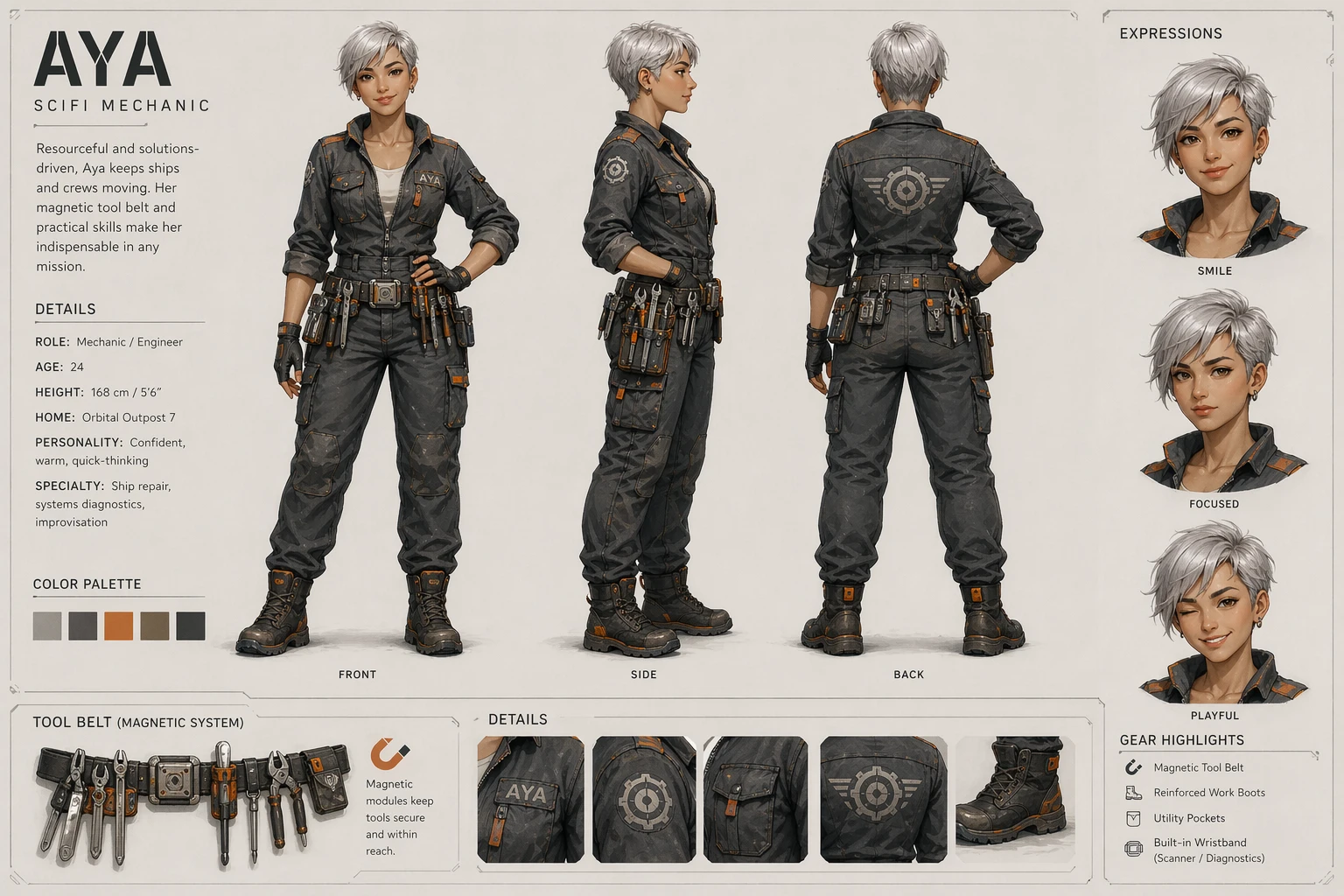
Create a full character turnaround sheet for a sci-fi mechanic named Aya, practical jumpsuit, magnetic tool belt, short silver hair, warm confident expression, front side back views plus three face expressions, concept art presentation style, clean neutral background, organized layout.
10. Luxury travel poster
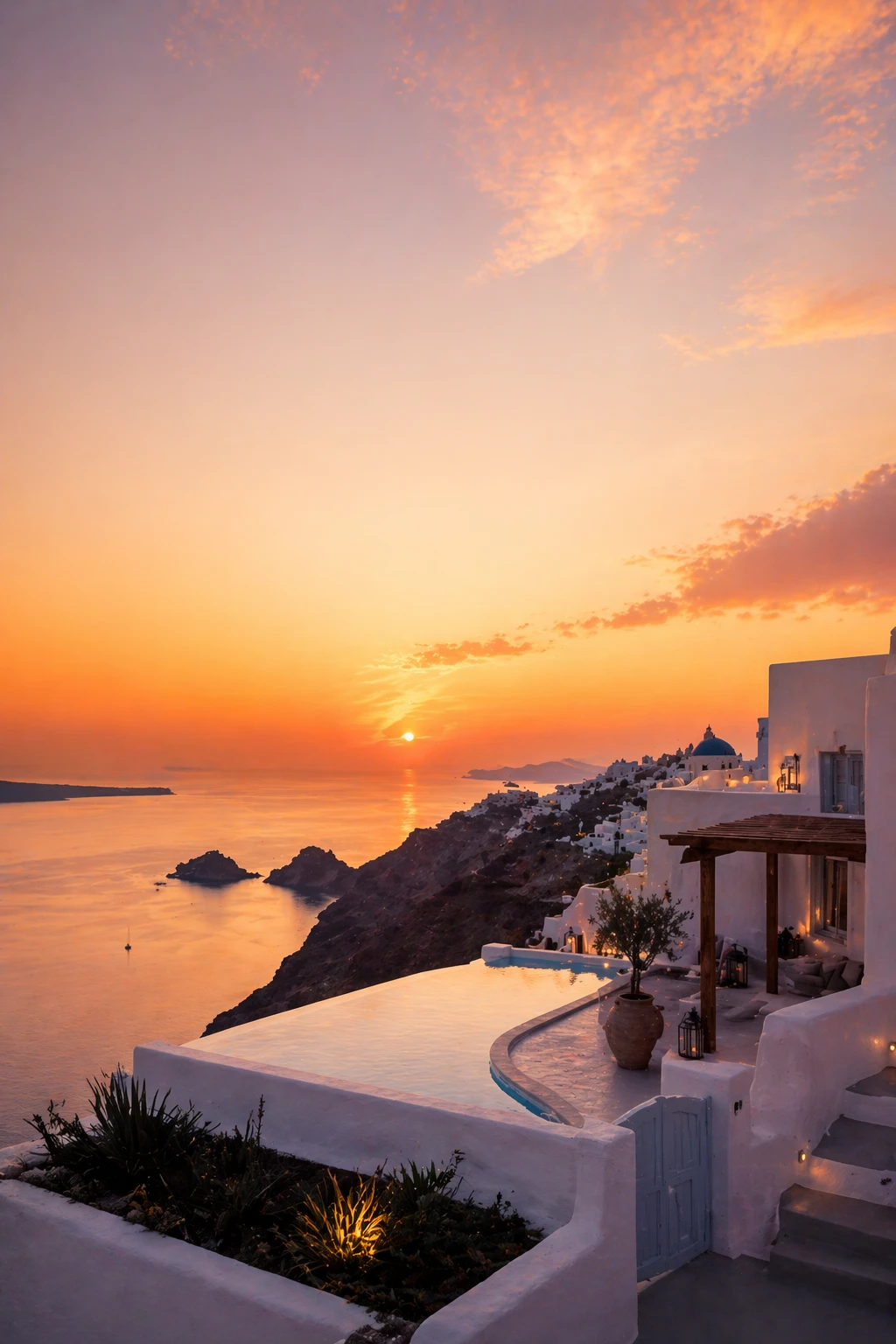
Create a luxury travel poster for a seaside retreat in Santorini at sunset, premium hospitality campaign style, white architecture, glowing sky, elegant composition, Mediterranean calm, photorealistic, polished branding energy, reserve space for a refined headline, no tourists in the foreground.
💡 Pro Tips for Better Results
- 🎯 Be precise with nouns. Specific objects outperform generic objects.
- 🎨 Choose one dominant style. Mixing five styles usually weakens the image.
- 🚧 Use constraints aggressively when editing.
- 📝 Mention text only when you truly need text.
- 🖼️ Ask for negative space if the image will become a banner or ad.
- 🔒 Lock identity when working with recurring characters.
- ⚓ When something drifts, restate the parts that must stay unchanged.
⭐ Final Review
GPT-Image-2 gets a 10/10 from me as an early creator-first review.
Why the maximum score? Because it appears to solve the problems that matter most in real usage, not just in showcase demos. The positives are impressive and unusually well aligned with what creators, marketers, designers, and visual storytellers actually need:
✔️ Stronger image quality
✔️ Better instruction following & text rendering
✔️ Better layouts and structured compositions
✔️ Stronger editing performance & identity preservation
✔️ Flexible sizing for different output formats
🏆 "This is the kind of model that can help users move from experimentation to deliverables. It supports creativity, but it also supports finish. That is rare."
My overall verdict is simple: GPT-Image-2 does not feel like a minor update. It feels like a meaningful step toward AI image generation that creators can trust for serious work. If you create visuals on SeaArt.ai, publish branded content, build stories, or want a model that can handle both imagination and execution, GPT-Image-2 is one of the most exciting tools to test right now.