


Seedance 2.0: The Video Tool That Shook The World and Made Hollywood Furious
What Is Seedance 2.0 and Why Should You Care?
If you have been on social media in the last few weeks, you probably saw some absolutely insane videos floating around. Clips of fictional characters doing things they never did in any movie. Real actors appearing in scenes they never filmed. Beautiful cinematic shots that look like they came straight out of a big budget production. The tool behind all of this chaos is called Seedance 2.0, and it is built by ByteDance, the same company that owns TikTok and CapCut.
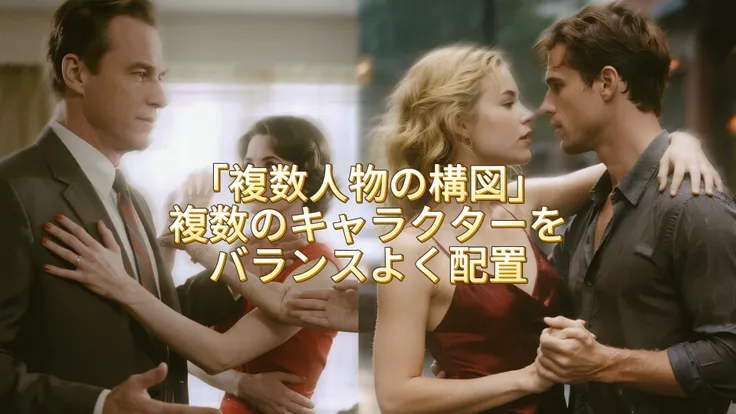
Seedance 2.0 is a video generation tool powered by artificial intelligence. You give it a text description, an image, or even an audio clip, and it creates a realistic video from scratch. We are not talking about some blurry, glitchy mess. We are talking about smooth, high resolution, cinematic quality video that genuinely looks like it was shot by a professional crew with expensive cameras. It launched first in China in February 2026, and on March 26, 2026, it started rolling out globally through CapCut for paid users in Africa, South America, the Middle East, and Southeast Asia. But the United States is not part of that rollout. And there is a very specific reason for that.
The Video Quality: Why Everyone Is Talking About It
Let us get the exciting part out of the way first. The quality of the videos that Seedance 2.0 produces is genuinely shocking. When experts compared it side by side with other major tools like OpenAI's Sora and Runway Gen 4, Seedance stood out in several critical areas.
How It Stacks Up Against The Competition
- Native 2K Resolution: Seedance 2.0 outputs video natively at 2K resolution. That is higher than both Sora (which outputs at 1080p) and Runway Gen 4 (which typically renders at around 720p). This means the image is sharper and cleaner right out of the box, without needing extra upscaling tools.
- Motion That Actually Makes Sense: One of the biggest problems with older tools was that objects moved in weird, unrealistic ways. A person walking would suddenly glitch or a ball would defy gravity. Seedance 2.0 excels at physics simulation. Objects fall, bounce, and interact with each other in ways that look completely natural.
- Consistent Characters: If you are making a short film with multiple shots, the characters look the same from scene to scene. Their face, clothes, and body stay consistent. This was almost impossible just a year ago.
- Built In Audio: This is a huge deal. Seedance 2.0 automatically generates sound effects, ambient noise, and even lip synced dialogue. You do not need a separate audio tool. The video comes alive with sound already attached to it.
To put it simply: Seedance 2.0 does not just make a moving picture. It creates a complete audiovisual experience that would have required an entire production team just two years ago. One person with a keyboard can now produce content that rivals a small studio.
The videos can be up to 15 seconds long, which might sound short, but in the world of TikTok, Instagram Reels, and YouTube Shorts, 15 seconds is more than enough to tell a powerful story or create a viral moment. The colors are vibrant, the textures are realistic, and the camera movements feel intentional and professionally directed. It even supports multiple input types at the same time, so you can combine a reference photo, a text prompt, and an audio clip to guide exactly what you want the video to look like.
The Copyright Firestorm: Hollywood vs ByteDance
Now we arrive at the part that has turned Seedance 2.0 from a cool tech product into a full blown international controversy. The moment this tool became popular online, something very alarming started happening. Users began creating extremely realistic videos featuring copyrighted characters and real celebrities.
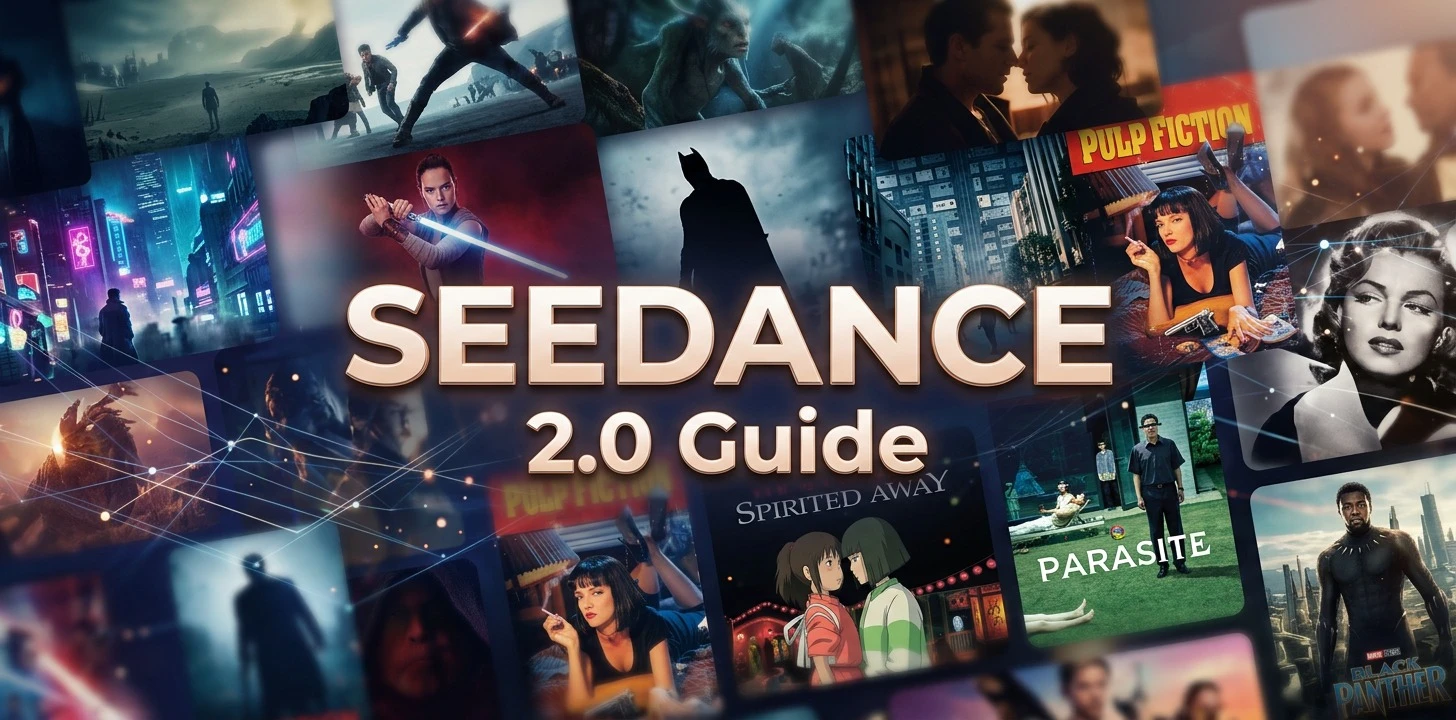
We are talking about Star Wars characters appearing in brand new scenes that Disney never approved. Marvel superheroes doing things they never did in any movie. Real actors like Tom Cruise and Brad Pitt showing up in completely fabricated scenarios that looked frighteningly real. These videos went viral almost instantly, and Hollywood noticed immediately.
The Corporate Reaction
- Disney sent an official legal letter directly to ByteDance, accusing the company of using Disney characters to train the Seedance model without permission.
- Netflix, Paramount, and Warner Bros joined the fight through the Motion Picture Association (MPA), demanding that ByteDance stop distributing the tool entirely.
- SAG AFTRA, the union that represents actors, publicly condemned the tool, saying it uses the voices and faces of real actors without their knowledge or consent.
- US Senators from both political parties wrote letters calling Seedance a "glaring example" of copyright violation and asked ByteDance to shut it down completely.
The critical question nobody has answered yet: Where exactly did ByteDance get the data to train Seedance 2.0? The company never publicly disclosed what videos, images, or audio files were fed into the model. For Seedance 1.0, they claimed to use "ethically sourced content." But for version 2.0, there has been complete silence.
This silence is absolutely deafening. If the training data was completely legal and properly licensed, why not just say so? The fact that ByteDance has refused to open up about its data sources has made the accusations even louder and more suspicious. Many legal experts believe this could become the largest copyright case in the history of artificial intelligence, potentially setting legal standards that will affect every single company in this industry for decades to come.
ByteDance responded publicly by saying they "respect intellectual property rights" and are "committed to strengthening safeguards." But for many critics, these words ring hollow when the tool itself can casually generate a perfect video of Mickey Mouse robbing a bank. The global launch has reportedly been partially suspended in certain markets due to the ongoing legal pressure.
East vs West: A Technological Cold War
There is another massive layer to this story that goes far beyond copyright law. Seedance 2.0 is yet another example of a growing pattern: Chinese tech companies are producing tools that match or surpass their American competitors, and the Western tech world does not know how to react.
For years, the narrative in Silicon Valley was simple: American companies lead innovation, and the rest of the world follows. OpenAI launched Sora, Google built Veo, Runway raised hundreds of millions in funding. They were the undisputed leaders of generative video. Then ByteDance quietly dropped Seedance 2.0, and overnight, the conversation changed completely.
Why This Makes Western Companies Uncomfortable
- Price: Seedance 2.0 is significantly cheaper to use than Sora or Runway. For creators in developing countries, this makes it the only realistic option.
- Quality: As we discussed, the native 2K output and built in audio put it ahead of Western competitors in several technical areas.
- Access: ByteDance launched in markets that American companies often ignore or deprioritize: Africa, South America, the Middle East, Southeast Asia. Millions of creators in these regions now have access to tools that were previously only available to people in North America and Europe.
- Speed: While OpenAI spent months carefully testing Sora with limited beta access, ByteDance moved aggressively and made Seedance available to hundreds of millions of users through apps they already had installed.
This is not just a tech race. It is a battle for cultural influence. The company that controls the tools people use to create videos will eventually influence what kind of stories get told, what aesthetics become popular, and whose creative vision shapes the internet. If ByteDance wins this race, TikTok culture does not just dominate social media consumption. It dominates content creation itself.
The United States government is clearly worried. The fact that the US was excluded from the global rollout is likely a strategic move by ByteDance to avoid immediate legal confrontation on American soil. But senators and regulators are already moving to block the tool, using copyright as the legal weapon of choice. Whether this is genuinely about protecting artists or simply about slowing down a Chinese competitor is a question that every reader should think about carefully.
What This Means For Regular Creators
If you are an independent content creator, a small business owner, a student, or just someone who loves making videos for fun, here is what you need to understand: the barrier to creating professional looking video content has essentially been destroyed.
Before Seedance 2.0, if you wanted to make a polished video, you needed a camera, lights, actors, a location, editing software, audio equipment, and hours of post production work. Now, you type a few sentences and get a result that looks like it came from a real production set. This is incredibly powerful for people who have great ideas but limited resources.
But it also raises uncomfortable questions. If anyone can generate a video of a celebrity saying anything, what happens to trust? If a small creator can make content that looks identical to a studio production, how do audiences know what is real and what was generated? These are not hypothetical concerns. They are happening right now, every single day, on every social media platform around the planet.
Conclusion: Innovation, Responsibility, and the Road Ahead
Seedance 2.0 is without a doubt one of the most impressive creative tools released this year. The video quality is outstanding, the built in audio is incredibly convenient, and the accessibility for global creators is genuinely groundbreaking. ByteDance has proven that they can compete head to head with the biggest American tech companies and win on multiple fronts.
But the copyright controversy cannot be swept under the rug. Real artists, real actors, and real studios have legitimate concerns about their work being used without permission to train a machine that then competes directly against them. The fact that ByteDance has not been about its training data makes the situation significantly worse. Trust is earned through honesty, and so far, that honesty has been missing.
The bigger picture is this: We are at a crossroads. Generative video technology will not slow down. It will only get faster, cheaper, and more realistic. The question is whether we can build a world where this power is used responsibly, where creators are compensated fairly, and where the line between real and generated content remains visible to everyone.
Hollywood wants to shut it down. Creators want to use it. Governments want to regulate it. ByteDance wants to sell it. And somewhere in the middle of all that noise, there are millions of ordinary people who just discovered they can make beautiful videos with nothing more than a few typed words. That is both thrilling and terrifying at the same time.
What do you think?
- Should tools like Seedance 2.0 be banned until copyright laws are updated?
- Is it fair that Western companies get regulatory protection while Eastern competitors get blocked?
- Does the incredible creative power justify the risks to intellectual property?
- Or is all of this just the natural, unstoppable progression of technology that we need to accept and adapt to?
The debate is yours. Pick a side.